

Editor Chris McCaleb On Crafting The World Of 'Pluribus'
The award-winning editor enthuses about his ongoing collaboration with Vince Gilligan...

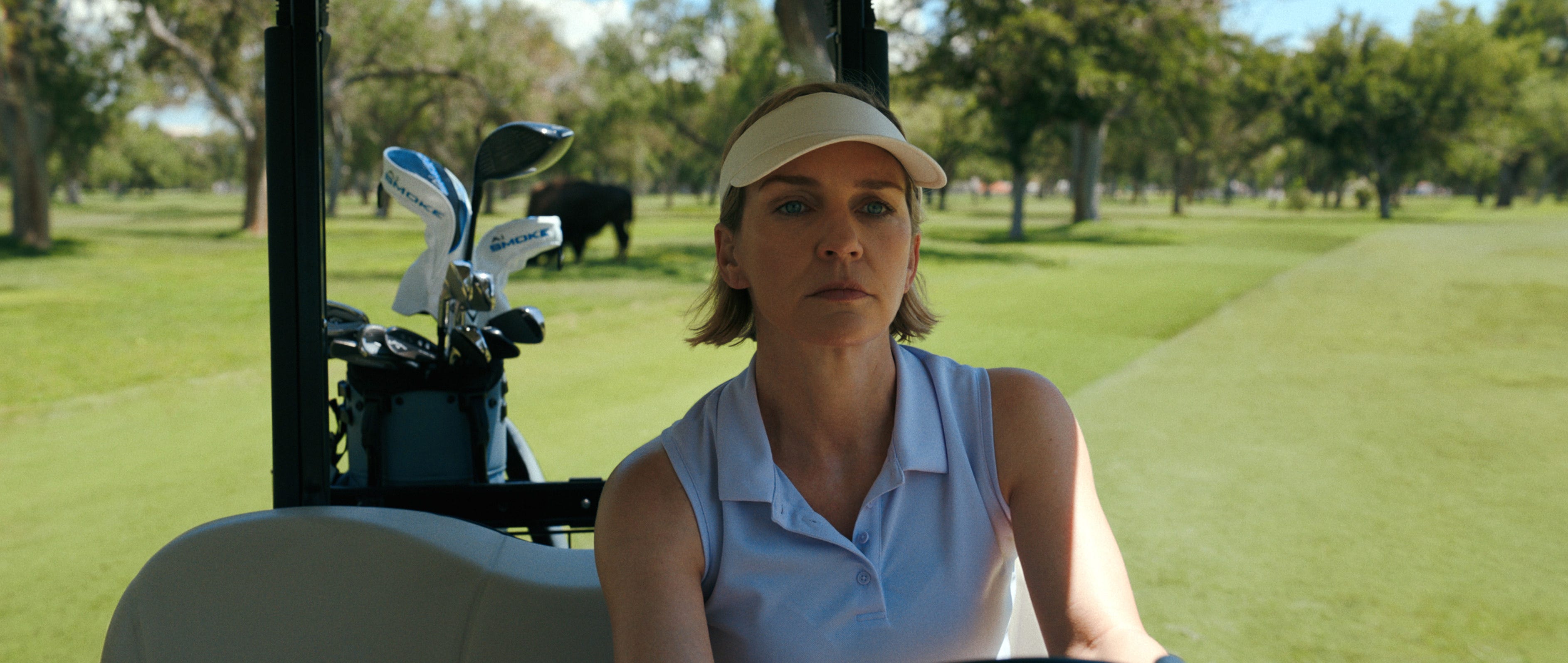
Almost three years after the end of Vince Gilligan’s Better Call Saul, the Breaking Bad creator is back with another series that has captured the attention of a global audience. Pluribus, a TV series following protagonist Carol Sturka (Rhea Seehorn) through what can be described as a “happy-zombie” apocalypse, broke the record for Apple TV’s biggest global launch, following the success of Severance season 2. In the post-COVID world, Pluribus dives into the themes of isolation vs. community. Editor Chris McCaleb, who has worked with Gilligan on past projects, sat down with Immersive Media to discuss crafting the post-apocalyptic world and balancing these extremes as they examine what it means to cope in a world forever changed.
[This conversation has been edited for clarity and length.]
So, you had episodes 103, 107, and 109, correct? Did you get to choose those, or were they assigned?
No, it’s just how the rotation happened. Normally we have just a two-editor rotation. We did that for most of Better Call Saul, and quite a bit of Breaking Bad was the same way. It’s a factor of the way [Vince Gilligan] likes to handle post-production, keeping much of the heavy lifting for the end once shooting is finished. Because Vince did the first two episodes, and he did them all as one big, long production, and [Skip Macdonald] was cutting those. Which made the first new episode 103. And then, for episode five, I had a prearranged, out-of-the-country trip, and we were just really lucky that Joey Liew was able to step in and edit that episode. And he did a fantastic job.
Crafting a world of season one for a show, it takes a lot of planning and consideration to make it what you want it. What were some of those conversations like before even starting the edit with Vince and the directors/showrunner before diving in?
There are a lot of conversations. Everything is carefully and deeply considered, even way before it ever gets to us, starting with the scripts. I mean, they’re writing season two right now and, sort of famously, they take a lot longer than a lot of other writers’ rooms take, and a big part of it is that they’re having those conversations and picking things apart, getting really into granular details, and considering everything, and they’re doing all of that way ahead of time. And then once they have scripts, that would be our first line of communication - reading that script.
The scripts are very rich the way they’re written, and not only are they great to read, but they also function as production scripts in that sometimes they will communicate directly to department heads and say, “Here’s a great place for our amazing location supervisor to find something we’ve never seen before.” Stuff like that. They would also have tone meetings, which were famously very long, where they would go page by page, with everything read aloud, carefully considered, and discussed.
So those conversations start at the beginning and never stop. Although I will say that once we get the footage, there is generally a lot of freedom for us as editors to try things and experiment. And once we get into a director’s cut, we’ll talk through things, and on this show especially, because so many people I’ve worked with for over a decade and friends over the years, we might have more communication than a lot of TV shows. That communication is so vital, just understanding what people want and what people’s intentions are. It’s such a great collaboration there because those lines of communication are always open.
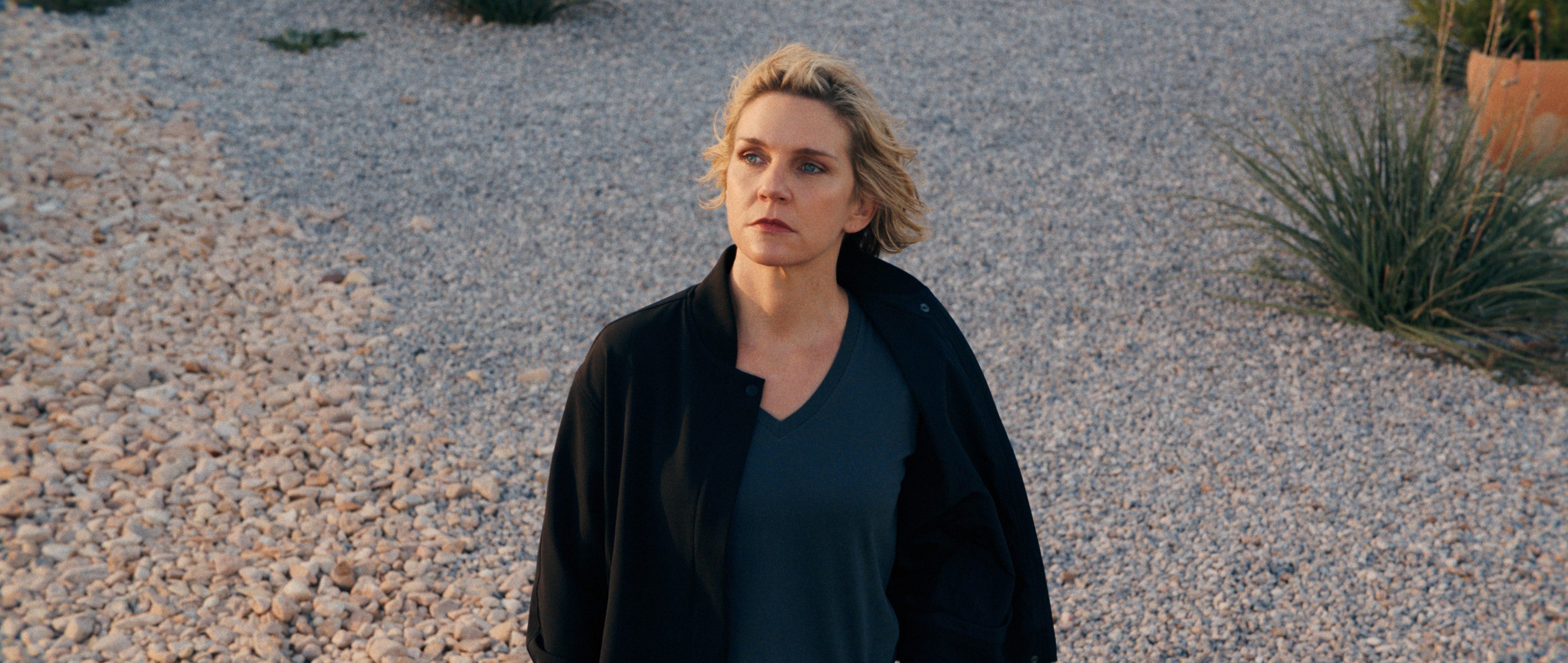
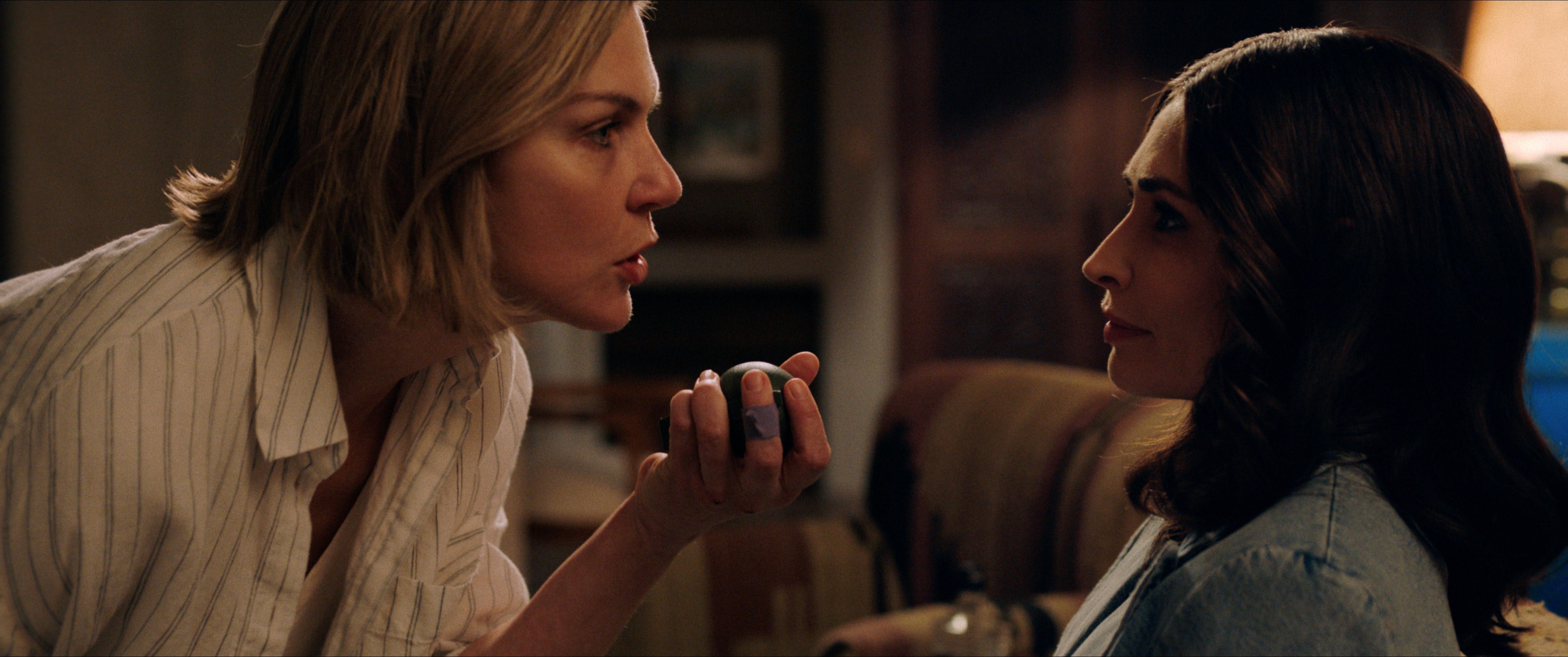
That’s almost like a segue to my next question. Because for a show about a “zombie” apocalypse, it’s paced very slowly. Not to a fault, but it’s just the way that this world works. You have moments like the grenade sequence in episode three, where you have this entire episode that you’re watching along, and then all of a sudden, at the last second possible, it ramps up. What was the decision approaching the edit in that way, holding until the last second to get cutty? And maybe it was always shot and planned that way?
It was, again, all starting with the script. It was always the intention that you have this possibly live grenade just there. I think the hope is that you stop thinking about it until you start thinking about it again. It was always the intention to drag all of that out so that when [Carol] finally does pull the pin, we’re as realistic as possible as far as the timing of a grenade. We researched that it’s anywhere between 4 to 7 seconds from the time you pull the pin to the time it explodes. So from her pulling the pin and the spoon flying out and Zosia standing, all of that had to happen very abruptly. The pacing was very deliberate, where you’re ratcheting up the tension until this crescendo and suddenly chaos. From the moment Zosia stands up to the explosion, we went over the exact timing in great detail, like “What if we cut another frame out? What if we set that up just a little?” Let’s get the grenade out of her hand and out the window as fast as possible without straining credulity.
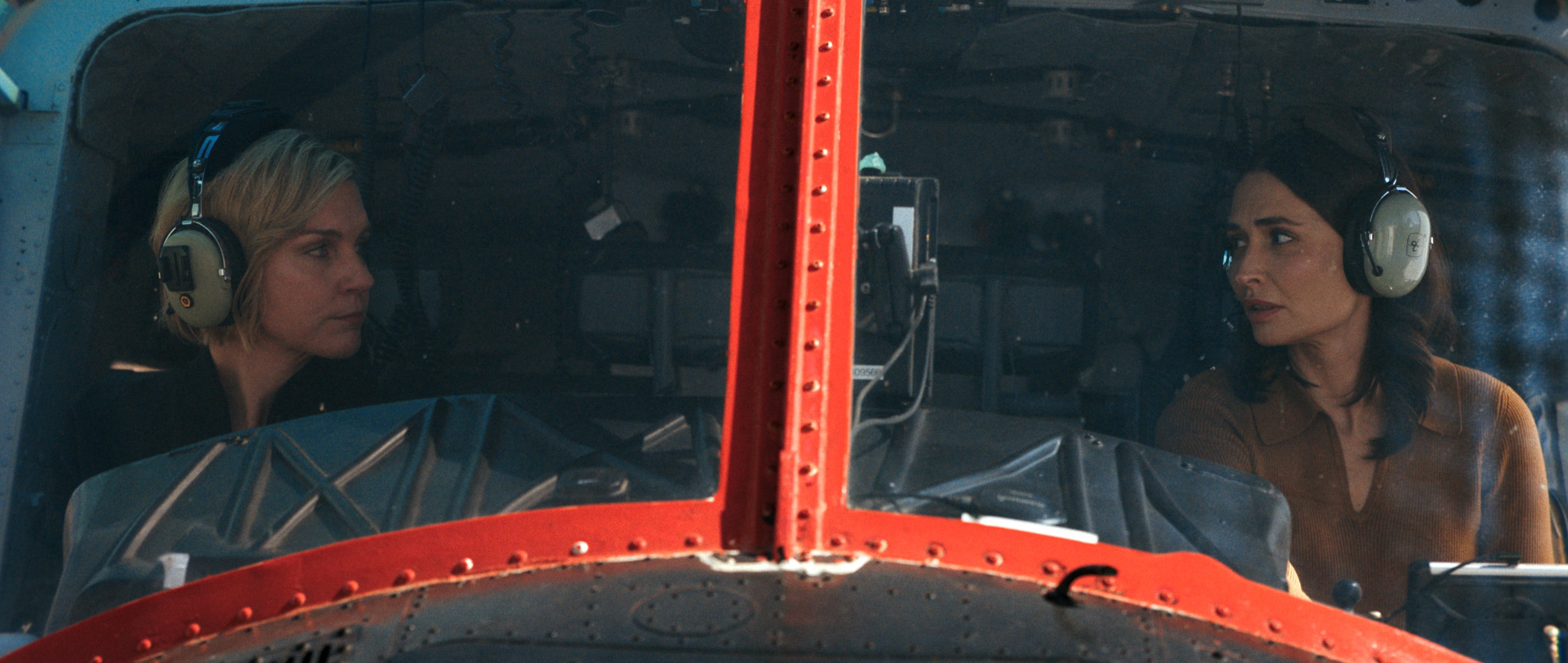
And also, the actual explosion is practical. That’s really happening behind the actors. When I got the dailies, I was just like “How did they do this?” because even with the behind the scenes, you can’t really tell, but it’s safe materials that look like wood and glass and plaster flying at them. I felt that way a few times on this show. There’s a part in episode nine where it appears that Zosia (Karolina Wydra) is piloting a helicopter, and I’ll be damned if it doesn’t look like she’s really flying this helicopter. Turns out, they had the real pilot in the back seat hidden, and he’s flying it, but it was very impressive. Vince and all of the filmmakers that collaborate with him, we try to do things as old school as we can to capture those illusions and capture that movie magic in camera whenever we can. That doesn’t mean we’re not using all the tools in the toolbox; there’s a lot of digital trickery as well, but it’s so fun when you can accomplish something that’s real.
What would you say are the biggest challenges that you had?
I would say one of the most challenging things about the whole show is that Vince prefers not to reuse shots or angles unless it’s really necessary. It’s not a fully prescribed rule, but he just prefers it. He thinks, and I agree, it feels more cinematic when each angle is used specifically for [that shot] and it’s very deliberate. And he even says not every director will be able to do that; they won’t have the time on a television schedule and budget, but it’s definitely on our minds as editors. We know if at all possible, let’s not reuse these shots. That was a habit I got into, even in the last season of Breaking Bad, when they would shoot really special shots, like a super-wide or unusual angle on something. Kelly Dixon, the editor and my mentor, would always say it’s important to use a shot only once, because if you come back to it, it’s less special. And I think Vince’s philosophy is kind of blowing that out and making every shot special where it’s possible. That, I think, gives the show a really distinctive feeling.
And then specifically, [all the episodes] had their challenges. Episode seven is such an interestingly balanced episode, with half of it just Carol alone, up to and including her brush with death from fireworks. That scene was actually very challenging for a variety of technical, color, and fire reasons, almost all of which were practical.
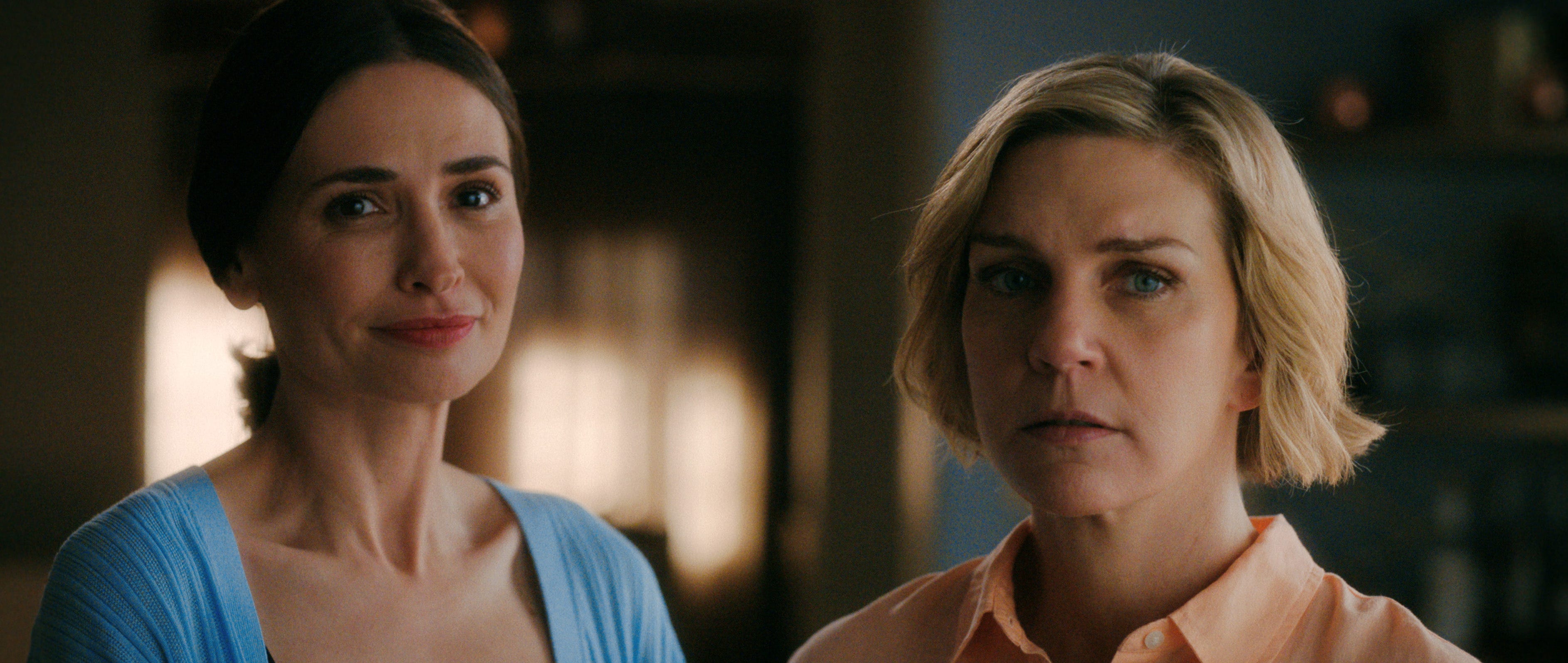
I was going to ask if that was practical as well!
Yeah, even the explosion with the firework whizzing by Carol’s face. We obviously didn’t actually do that, but we did send one past the stunt double from behind. And then in front, it was a locked-off camera; they shot her part of it, took her out, and shot the firework going up. And then from that same angle, kaboom. And so we just combined it. That was really cool.
But finding the balance of pace in that episode, especially because it’s so quiet except when she’s singing songs to herself. And then in the middle of it is this 25-minute film of Manousos (Carlos Manual Vesga) traveling across a continent. So, finding the right balance between living in both of those worlds was a real challenge. But I love how it turned out.
Yeah, it’s a great episode! What about some of your favorite moments from working on this show?
Maybe this is an annoying answer, but some of my favorite memories are of cast and crew members stopping by the office just to have lunch or hang out. I think that the actors kind of got into a little war with each other on who could bring the best dessert to the office. There was a time when somebody would come by a couple of times a week and bring cupcakes, some confection, or cookies. Which, of course, it’s not just the sugar that I liked. It’s the camaraderie of this team.
I’m sure people get tired of us talking about how nice everybody is, but it’s true. And it starts at the top. Vince has a no a**holes policy and it shows. I guess that, as far as favorite things go, it’s having the opportunity to work with the most talented people in the business and to do so over the course of years and even decades. It’s like a family in a lot of ways. I just really, really love working with this team.
When you turn over your final cut, it’s gone through changes, notes, a director, and producers to get it to what it is on the screen. But what does an editor’s cut really look, sound, and feel like to you?
I take a lot of care with my editor’s cuts. Working with my assistant editor, often in tandem, I really want to build out the sonic landscape, which is especially important on a show like Pluribus, where often it’s about what you don’t hear. And so we’re really removing a lot of sounds, we’re isolating things and then building out the world around [the characters], so we’re kind of doing a mini sound design. I take a lot of time doing my own kind of mixing. I like to keyframe the dialog; I like to use it to shape and craft performance. When the audio is maybe more polished than you’d be used to in an editor’s cut or an assembly or a rough cut, the sound is what takes you out of the reality of the construction of what we’re doing a lot faster than any kind of temp of visual effects, so I try to [avoid that].
Another thing I learned from Kelly Dixon is that a director usually has at least one way they’ve designed to get in and out of the scene. More often than not, that’s the shot you want to start on, but Kelly always taught me to always see if there’s another way in, and it might surprise you. When I’m watching the dailies, I always like to think maybe this is a different way in. Then the director will come in, and they’ll either hate it, or they’ll be like, “Hey, that’s an interesting idea,” but you can always go back [to the original way in]. It’s such a collaborative process. Even though, as an editor, we’re getting our cut, we have our time to present the story and edit it the best way we feel is possible, there are all the artists who got together to build sets, act, and record sound. There’s already a collaboration just to get the puzzle pieces into my computer. I really love the collaborative editing process, just getting to work with so many different people and trying different things.
Is there any specific moment, from working on this show, that you want to shout out or highlight? Either something where you really got to be creative, something you’re proud of, or something where you got to expand upon the scripts within the edit?
Something funny came to my mind. One of the things I love most about working on Vince Gilligan’s or Peter Gould’s shows, in particular, is that we don’t temp score with rare exceptions. The exception being montages, but the scenes have to live on their own [without music]. So, something I like to do when something’s really working well, which I normally just do for myself or my assistant editor, is put a piece of music that absolutely doesn’t belong in the show; that would be like ultra cheesy.
The one that I really like to use is Nickelback’s ‘Photograph’, and I will line it up for the chorus to hit on the cut to black, like at the very end of the show, and then just drag it out, and it’s crazy how well it works almost every single time. I did that in the finale [of Pluribus], and I showed it to Gordon Smith, who directed it and is a friend, and he laughed. And then he said, “Wait a second. What if we started it so that even more of it [played at] the end of the episode?” I thought that was funny, and then a couple of days later he said, “So did you try the Nickelback early?” And I was like, “Oh, you were serious?” And so I tried it, and it was really funny.
Months go by, and eventually he’s like, “We have to show Vince, we have to surprise him. And we have to say this is what we want.” And so we did that, and Vince laughed so hard, and he thought it was so funny. Then the ultimate capper is when we did our music spotting session with our entire music team, our composer Dave Porter, our music supervisor, Thomas Golubic, and music editor, Jason Newman, and he made us play that Nickelback version. The look of disbelief on everybody’s face, then immediate laughter [with relief]. I guess it’s important to say that I enjoy Nickelback from time to time.
I love it. Just to quickly wrap up, what is it like now being on the other side of season one?
One of the most interesting things for me is that I would watch it with my wife, or we watch it in groups, and people have all these theories and are always trying to get ahead of the story, but I know where it’s going. Now that we’re on the other side of it, I’m in the exact same position that everybody else is. I’m not in the writers’ room, so I don’t actually know what happens next, which is exciting. The other thing is, I was really overwhelmed by how positive the response was to the show because I’ve never seen anything like this show for all the reasons [we] said, like the pacing is very deliberate. There is an entire episode, episode five, it’s just Carol…and wolves and drones.
But I loved it. I honestly had no idea how people would respond to it, and I’ve just been so heartened by how many people from completely different walks of life have responded to this show. It’s very gratifying when somebody responds to the work that you’re doing. It’s also been nice for Rhea Seehorn (Carol) to get so much attention. For so many years, it’s like she’s been this unbelievable secret that we’re all in on. So, that’s been really great, and just seeing how far it’s gone. Apple TV has been increasingly producing great shows, and it’s exciting to be part of that lineage. I’m really excited that people respond to it so much and that we get to make more.
Yeah. I feel like, especially in today’s age after Covid too, the juxtaposition of isolation versus community and the balance between that is so pertinent and in a lot of people’s minds.
Absolutely. I think it’s also a testament to Vince. I’m working on a thing right now where it’s the first time they’ve had an office on this particular show since Covid. Whereas on the last season of Better Call Saul, which we started working on in 2021, it’s just post-vaccine, and it was a time like, who knows what’s going to happen. They were trying to get movies and TV going again. When we started doing [Better Call Saul], Sony said, “We assume everybody wants to be remote,” and every one of us said, “No, let’s go to the office. Let’s have the community.” And it was different: everybody had to be locked away in their rooms, and if we were in a communal space, we wore masks. But there’s an energy that you get and that sense of community and being around people, and you just can’t replicate that digitally. It’s amazing that we can work with people across the world, but there’s just something [about being in person]. And with this group, it’s mostly the same people who all work in the same office.
Pluribus is streaming on Apple TV.
 | A guest post by
|
Great read.