


American Primeval is a popular Netflix limited series by Peter Berg (Lone Survivor, Patriots Day), known for crafting well-worn survival films; his current project is no exception. It is an American Western set in 1857 that documents the violent clash between different cultures in Utah centered on the events surrounding the Mountain Meadows Massacre. The critically acclaimed series has just been nominated for Outstanding Cinematography for a Limited or Anthology Series or Movie for Jacques Jouffret, and Outstanding Period Costumes for Virginia Johnson and the costume team. Johnson recently spoke about the epic journey with Immersive via Zoom.
[This conversation has been edited for clarity and length.]
Could you tell me a little bit about how you became involved with this project?
I have worked with Peter Berg, so this is our fourth production together. I actually started in the PBS Docudrama world. So, I came into it knowing how to conduct research through contacts at different museums and cultural consultants. That background definitely helped build up the confidence that I would not just 'Hollywood it,' as everyone was so concerned about.
One thing I learned while working with Peter Berg is that I've interviewed a few people on this project, and it seems like everyone who worked with him says similar things. He's tough, and you want to work with him again and again...
I think that his commitment to storytelling is admirable and something that resonates with me as somebody who comes from the theater world, and it's text-first. Our first show together was Patriots Day. I live in Boston. I was here crossing the Charles River during the bombing. Didn't make it to the marathon because everything got shut down just immediately after that. So, I think my commitment to being authentic and honest about the people in the crowd resonated with him.
We then went on to do other projects together that had nothing to do with true stories... I think the various kinds of projects just show a range and interest in just capturing character. You must be prepared to answer questions about why you are making this. Why those materials? Why would they wear that? Why are they doing that? All of those question, I think, makes you a better designer because you aren't just putting something on the body because it's cool or because somebody asks for it. You're literally making choices that are essential to visually telling the story of the person, what they carried, where they're from, the textures, and the access.
What did he tell you about American Primeval before you started?
I was actually in Hawaii when Pete started hiring and crewing up for this project. I was on vacation, just enjoying the ocean, and Pete said, 'So, you want to trek through the mountains and get really dirty... can you handle it?' I was like, sure. When you're out there, you are literally carrying the costumes up a mountain. It's a rugged terrain. It's a physically demanding experience.
What did your research look like? How much did you know versus Googling, or was there a good old book or something? I always like hearing stories like this.
I am like a self-professed nerd. I love the research part of the process. I start at the library because I am in Cambridge, Massachusetts, and in New England, I have access to some amazing libraries. You are actually talking to curators and fabric restoration experts, and it's great to see snapshots of the dyes we used. These are the palettes of the cotton that was being sent west.
You have to go and really peel back the layers because what we learn about how people dress is definitely linked to who had access to telling their own story. Who is featured in a magazine, in the paper, who has written about their fashion? The people we represent are not of that world. Finding the words of folks who are just trying to find someplace to farm, be safe, practice, whatever religion. And then the same with our various native indigenous groups. We started with museums. I'm going to see what still exists and try some archival research.
I had worked with Jacqueline West years ago on a couple of shows, and she had just done Killers of the Flower Moon. I knew that Jacqueline had done the kind of research and deep dive that I wanted to do for American Primeval. She recommended Julie O'Keefe, who was connected to craftspeople, as well as historians and tribal leaders. I learned a great deal just from her setting up these conversations with elders.
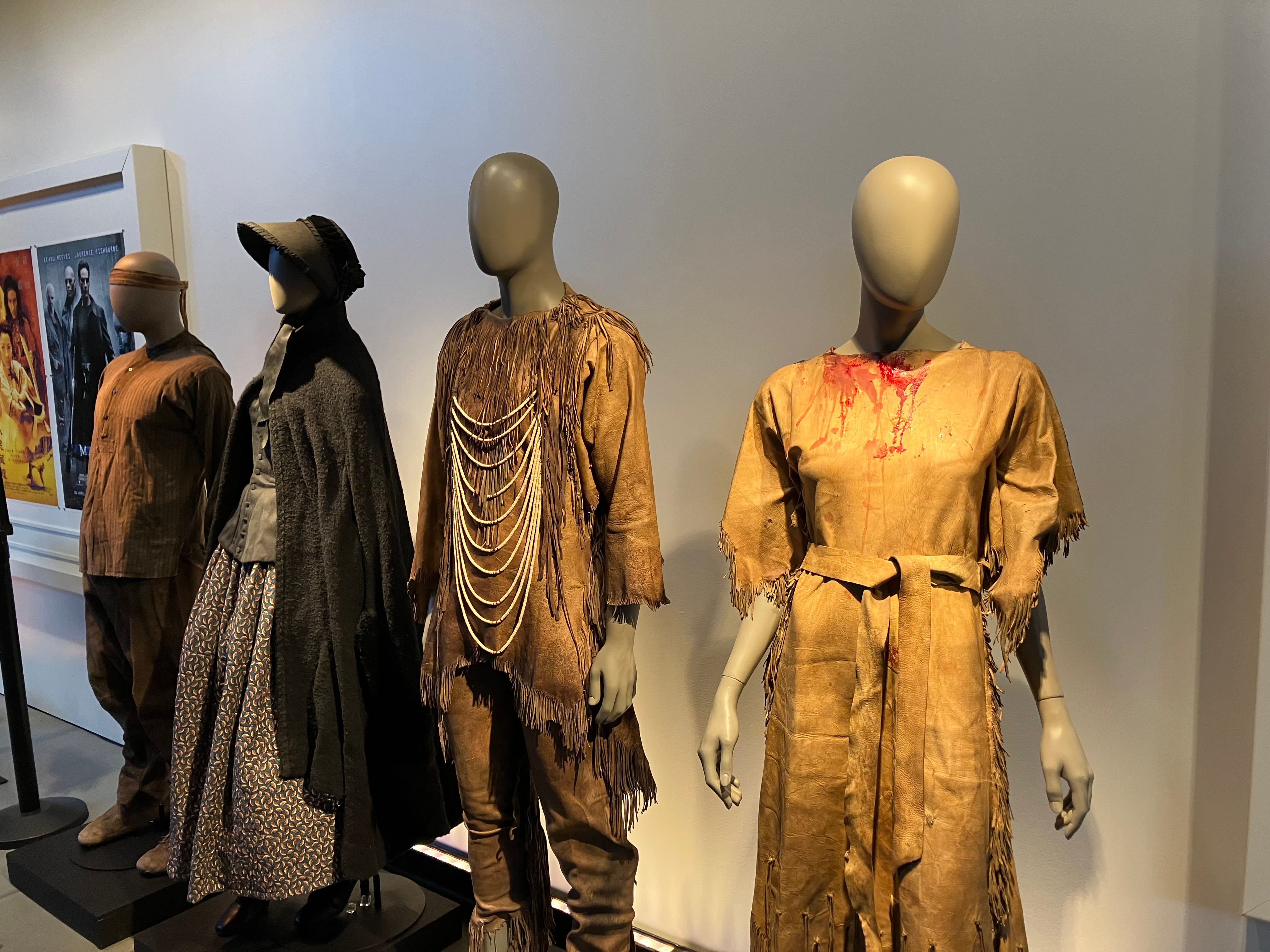
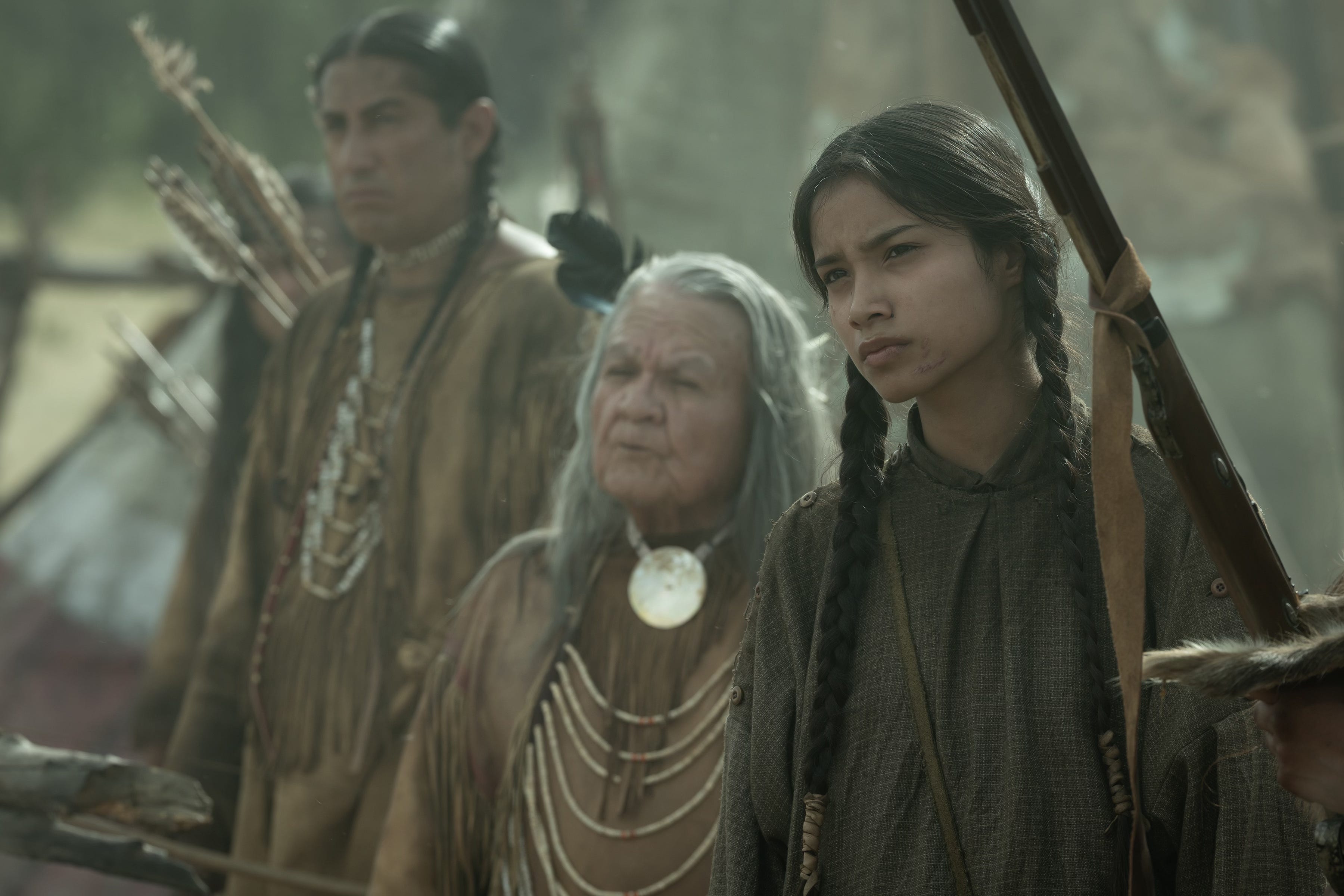
And then working with Julie to find native craftspeople to actually make things like the hundreds of pairs of moccasins we needed, working with various hunters throughout the US to find enough gear hide to clothe three different tribes, the Shoshone, the Paiute, and the Ute, in the series, we worked with natural materials. It drapes better, it ages a little bit. I mean, the people who wear those costumes, they worked so hard. I can only imagine how much harder it would've been to make things look like they'd really been lived in if we had worked with synthetic materials.
I always find that fascinating. The costume team creates something nice and new, and then there's the aging/dying team that comes in and wears it out. Were there things that were found that were used? Any relics of that era, or at least ones that came from that world that may have been around for a while?
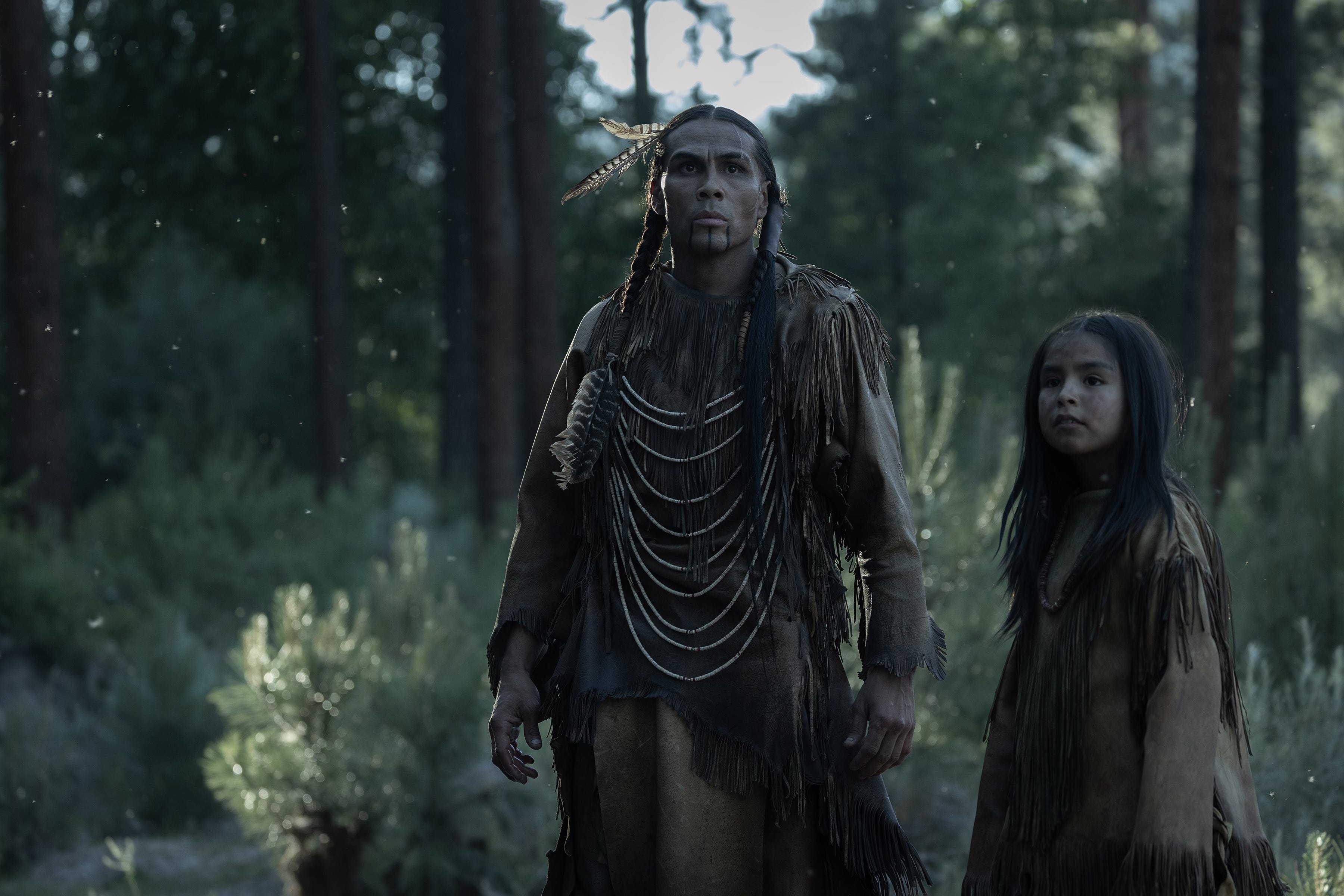
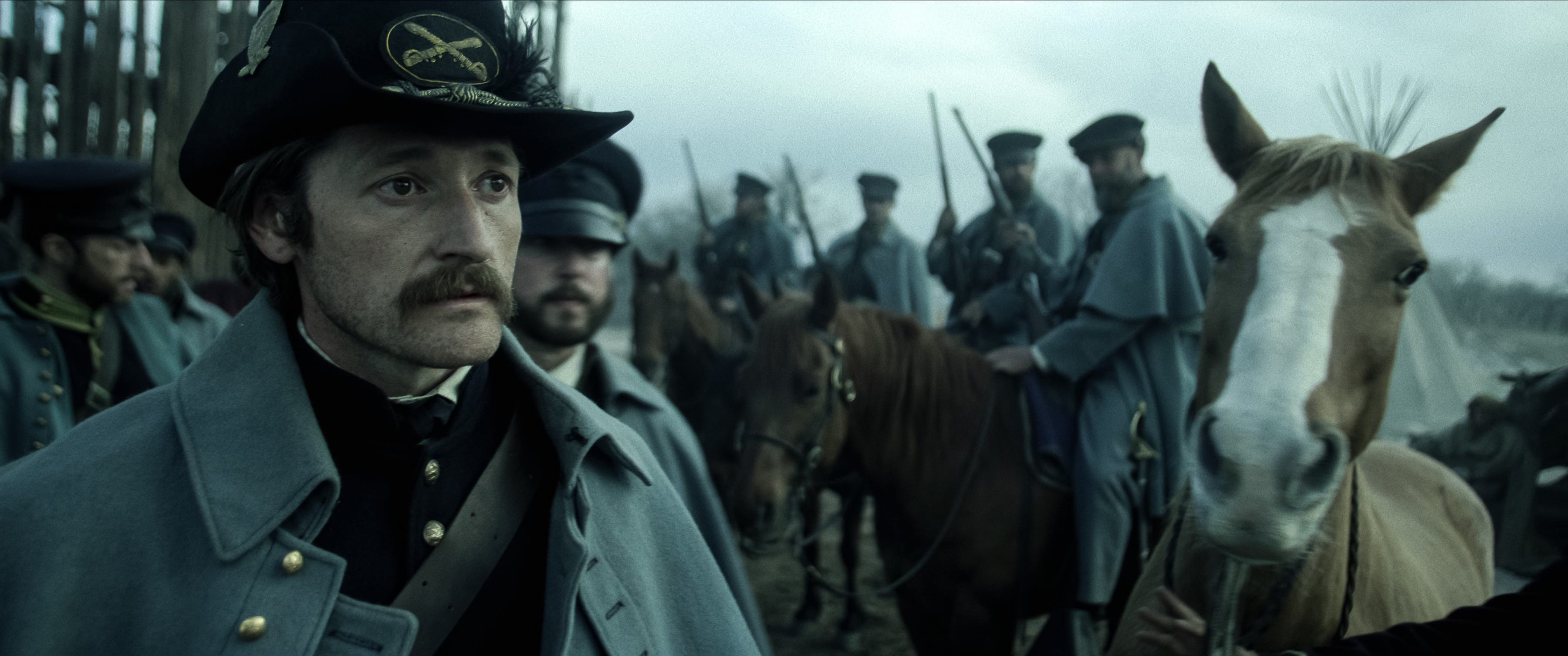
Everything was replicated. I would say that 90% was made, and then we rented what we could. It's an incredibly gritty, violent show; we even had to build the cavalry. There are pieces like Winter Birds costume, which features elk teeth - we saw an example of this garment from the 1850s in the archives. We actually saw this garment. We were able to take pictures of it, and then we recreated it for her because the actual collection of elk teeth shows your position in the world; the more you have, the more successful a hunter you are in your family. So things like that, we were able to pull from. Similarly, we found something similar to Abish's native dress, which dates back to the 1850s, and it is part of the Smithsonian Native American collection. We had a native beater recreate the beating for that garment as a nod to the fact that this is an existing thing that still exists in the world.
Cool, and beyond what you're just doing historically, what was the approach to color?
We always knew it was this very dark, gritty world; that's just the truth of it. A world mostly devoid of color. I really wanted it to be from the earth. So all of our native communities are in these animal hides, and that color is set in stone. How do we always emphasize that? The only people we ever put in black would be the Mormon elders, showing this very stark contrast to the natural world. Then you are also in the box of this is what the cavalry wore. I'm like, okay, that world is going to be the only place where we truly see the blue, I have to keep that intact. Just keeping those very delineated groupings helped bring in some different colors. We see a little bit of green come in, along with various chocolate browns, midnight, and other colors, allowing them to seep in, so we don't end up with a weird sepia tone-only palette.
How many costumes did you create?
Hundreds, because we had such a huge cast, even though we're technically following only four people, and then we have smaller subgroups, such as Fort Bridger and the Shoshone Villages. We couldn't rent the native costumes. They just did not exist. So, all of that had to be created, and we wanted to make it as authentic as possible. The corsets, the overcoats, the waistcoats, all those costumes, they're complicated. The people who made those costumes are experts in their field.
I earned my MFA in both costume technology and design. We didn't learn to make Shoshone leggings and Breech cloths. I did learn how to make 1850s women's underpinnings. So everyone is making these clothes, we're making them for the first time. In the leather shop, we are prototyping, checking, and ensuring that the cut in the drape and everything else work. Before we put the clothes on actual people who are invested in what they represent, like Red Feather. We want to honor his heritage and his background and not make him feel like we didn't put the same amount of effort into his costume. Those costumes require hundreds of hours, plus stunt doubles and entire tribes, all of it created from scratch.
Of all these clothes. Do you have a favorite or favorites?
I found great joy in seeing Winter Bird in the Shoshone Village for the first time. Just seeing everyone there in this amazing set, created by our production designer and her team, was incredible because I had invested so much time and energy, and it really pumped up the team to know that what we were doing was incredibly important. Then, to see it all come together and realize how real it all is, and to see how the various consultants, from language Shoshone consultants to Julie, all of them, were happy with what they saw, feeling seen and represented. It makes you feel like you've done your job. I also just love Fort Bridger. I loved recreating Jim Bridger working with Shea Wigham. All of that has its own power.
Absolutely, it's a very rich world. This show was very well received. Big streaming numbers and a high IMDb rating. It's a very big piece of work. What's it like being on the other end of that?
It's really kind of surreal to know that so many people watched it. So many people took something positive from it, even though it is incredibly violent. I would sometimes read episodes and think, 'I don't know why you would watch the next episode, because so many people are just being eviscerated.' But this is the truth of our expansion story. My mom came here from the Philippines, and we moved here when I was six. We also like to have our own history of colonization, and the fact that people are at a point where they want to revisit this history, I think, is really important in shaping our understanding of our world and where we stand in it. But it's also wild, just the kind of native community response to it. The people who are probably the biggest fans of the costumes and want to chat with me are those who want to talk about Red Feather and Winter Bird and are excited that they are now part of the cinematic story. Now we have a new chapter in that history that's visual.
American Primeval is streaming on Netflix.